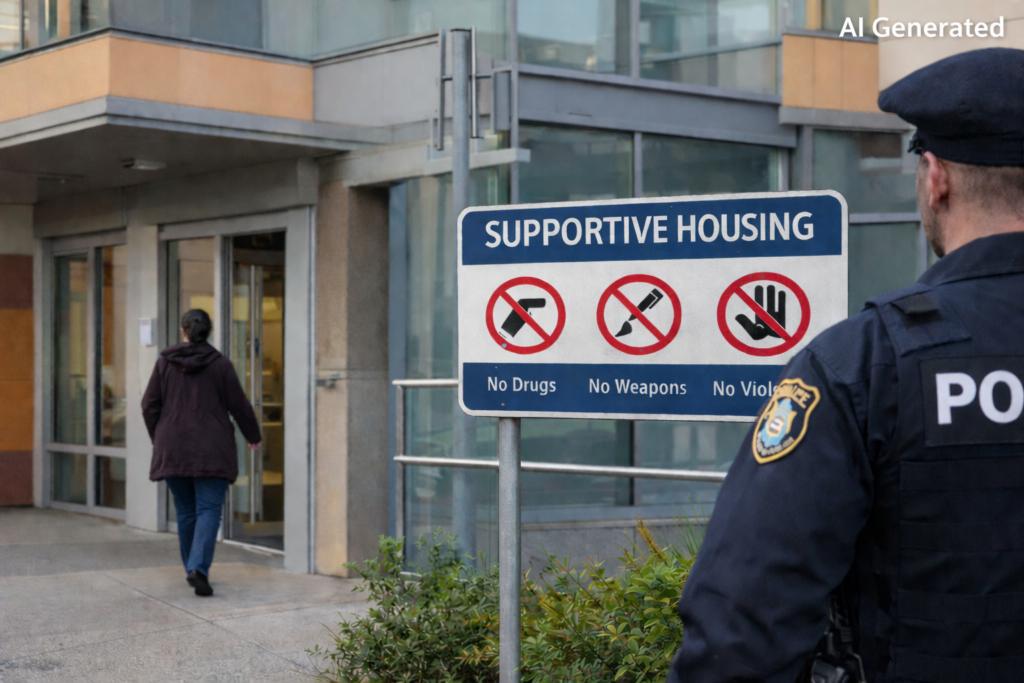

The British Columbia government has introduced new legislation aimed at improving safety in supportive housing buildings across the province. The proposal comes amid growing concerns about violence, weapons, and safety risks reported in some housing facilities designed to support vulnerable residents.
Supportive housing plays a crucial role in British Columbia’s strategy to address homelessness and provide stable living environments for individuals dealing with mental health challenges, substance use issues, or financial hardship. While these programs have helped thousands of people transition off the streets and into secure housing, some buildings have also faced reports of serious safety incidents involving tenants or visitors.
Provincial officials say the new legislation is designed to give housing providers clearer authority to respond when dangerous situations arise, while still protecting the rights of residents who rely on supportive housing for stability and care.
Understanding Supportive Housing in British Columbia
Supportive housing programs are typically funded by the provincial government and operated by non-profit organizations or housing providers. These facilities offer more than just a place to live. Residents often have access to services such as mental health support, addiction treatment referrals, counselling, and case management.
The goal is to provide individuals with a stable living environment where they can begin rebuilding their lives. For many residents, supportive housing represents an important step toward long-term independence and improved health.
In cities such as Vancouver, Victoria, Surrey, and Kelowna, supportive housing has become a key component of the province’s strategy to reduce homelessness.
However, as these programs have expanded, some facilities have also experienced challenges related to safety and security.
Rising Safety Concerns in Some Housing Facilities
Reports from staff members, residents, and nearby communities have highlighted concerns about incidents involving violence, weapons, and disruptive behaviour in certain supportive housing buildings.
Housing providers have said that dealing with these situations can be difficult under existing regulations. While they are responsible for maintaining safe environments for residents and staff, removing a tenant who poses a serious risk can involve complex legal procedures.
Provincial officials say the new legislation aims to address this issue by providing clearer guidelines and stronger tools for housing providers to act when safety is threatened.
The goal, according to government representatives, is to protect the majority of supportive housing residents who simply want a safe and stable place to live.
Key Features of the Proposed Legislation
Under the proposed law, housing providers could have greater authority to take action when a tenant’s behaviour creates significant safety concerns.
This may include situations involving serious violence, possession of weapons, or repeated incidents that place other residents or staff at risk.
The legislation is intended to allow housing operators to respond more quickly when dangerous circumstances arise. However, officials emphasize that safeguards will remain in place to ensure that tenants’ rights are respected.
Legal oversight and due process are expected to remain important parts of the system, preventing unfair or arbitrary evictions.
Provincial leaders say the new framework aims to strike a balance between maintaining safe housing environments and ensuring vulnerable individuals are not unjustly removed from supportive housing.
Reactions From Housing Providers and Community Groups
The proposal has sparked a range of reactions from organizations working in housing and social services.
Many supportive housing providers have welcomed the legislation, saying that clearer rules could help staff address dangerous situations more effectively.
Workers in supportive housing facilities often deal with complex situations involving residents who may be experiencing trauma, addiction, or mental health challenges. Having clearer authority to intervene could help ensure that buildings remain safe for everyone living there.
At the same time, some housing advocates have expressed concerns about how the new rules might affect vulnerable individuals.
Advocacy groups emphasize that losing access to supportive housing could leave some people with nowhere else to go, potentially pushing them back into homelessness.
For that reason, many organizations are calling for the legislation to be paired with expanded access to healthcare services, mental health treatment, and addiction recovery programs.
Balancing Safety and Compassion
Experts say the debate highlights a broader challenge facing policymakers across Canada: balancing public safety with compassion for individuals who need support.
Supportive housing residents often have complex needs that require long-term care and assistance. Simply removing someone from housing without addressing the underlying issues may not solve the problem.
Many experts believe that supportive housing policies should focus on both safety and support. In addition to enforcement measures, investments in healthcare, social services, and community outreach can help address the root causes of disruptive behaviour.
Programs that provide mental health support, addiction treatment, and counselling may reduce the likelihood of incidents occurring in the first place.
Impact on Metro Vancouver Communities
The issue has become particularly visible in Metro Vancouver, where the housing crisis has placed increasing pressure on social housing systems.
Local governments have been working closely with the provincial government to expand housing options for people experiencing homelessness.
However, concerns from residents living near supportive housing buildings have also influenced the political conversation.
Some neighbourhood groups have called for stronger oversight and improved safety measures in supportive housing facilities. Others have stressed the importance of ensuring that vulnerable individuals continue to receive the support they need.
Municipal leaders say the new legislation could help address some of these concerns while maintaining the overall goal of reducing homelessness.
Part of a Larger Housing Strategy
The proposed law is just one part of a broader housing strategy being implemented by the provincial government.
British Columbia has been investing heavily in affordable housing, supportive housing developments, and homelessness prevention programs in recent years.
Officials say the goal is to create a housing system that provides both stability and safety for residents across the province.
Improving safety in supportive housing buildings is considered an important step toward strengthening public confidence in these programs.
What Happens Next
The legislation will now move through the provincial legislative process, where lawmakers will debate its provisions and consider possible amendments.
During this stage, government officials, housing providers, advocacy groups, and community members will likely continue discussing how the policy should be implemented.
If passed, the new rules could change how supportive housing facilities manage safety concerns and respond to incidents involving violence or weapons.
For residents across Vancouver and British Columbia, the outcome of this legislation could shape the future of supportive housing programs and influence how communities address both homelessness and public safety.
As the debate continues, policymakers will face the challenge of ensuring that supportive housing remains both safe and supportive, balancing security with the compassion needed to help vulnerable individuals rebuild their lives.