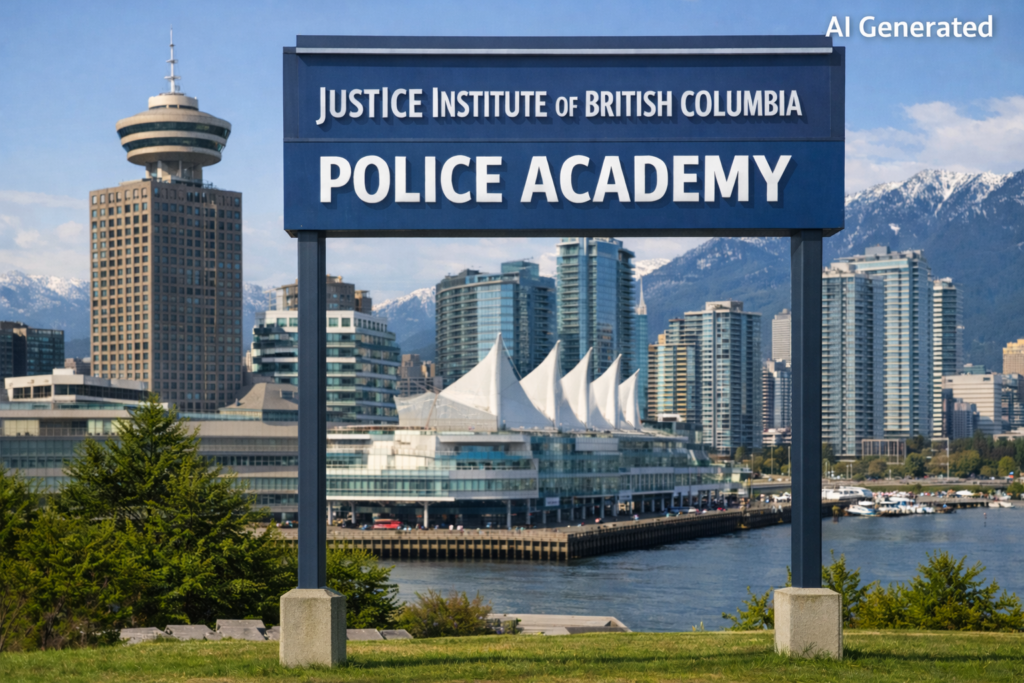

Public safety remains one of the most important priorities for communities across British Columbia. As cities continue to grow and policing demands increase, the provincial government has taken a major step to strengthen law enforcement capacity. Officials recently confirmed the approval of new temporary police training facilities in Vancouver and Victoria, a move aimed at helping address a shortage of police officers across the province.
The decision is expected to support police departments that have been struggling to recruit and train enough officers to meet the needs of their communities. With population growth and evolving public safety challenges, provincial leaders say expanding training capacity is essential to maintaining effective policing across British Columbia.
Increasing Demand for Police Officers in British Columbia
Over the past several years, police departments in many parts of the province have reported difficulties filling vacant positions. Municipalities such as Vancouver, Surrey, Burnaby, and other rapidly growing communities have faced rising demands for law enforcement services.
Factors contributing to the shortage include population growth, retirements among experienced officers, and the increasing complexity of modern policing. Officers today are expected to respond not only to crime but also to situations involving mental health crises, homelessness, substance use, and community disputes.
Provincial officials say that the existing training capacity has struggled to keep up with these demands. Recruits often face long waiting periods before they can begin their training at the police academy. By establishing additional training sites, the government hopes to reduce these delays and allow departments to hire and deploy officers more quickly.
Expansion of Training Through New Facilities
The new training sites in Vancouver and Victoria will operate under the oversight of the Justice Institute of British Columbia Police Academy, the organization responsible for training municipal police recruits throughout the province.
The facilities are expected to operate for at least two years while authorities assess longer-term strategies for police training. During that time, the expanded program will allow more recruits to complete their training at the same time.
Government officials say the initiative will significantly increase the number of officers who can graduate from the academy each year. This could help departments fill vacancies faster and maintain appropriate staffing levels.
The new sites will provide classroom space, practical training areas, and simulation environments designed to replicate real-world policing scenarios. These facilities are intended to ensure that recruits receive the same level of training quality as they would at existing academy locations.
Modern Policing Requires Advanced Training
Training for police officers has evolved significantly over the past decade. Today’s recruits must learn a wide range of skills that go beyond traditional law enforcement.
Programs at the police academy typically include courses on criminal law, investigative techniques, and emergency response procedures. Recruits also receive instruction on communication strategies, conflict resolution, and cultural awareness.
Another major focus of modern police training is de-escalation techniques, which help officers safely manage tense situations without unnecessary use of force. These skills are particularly important when responding to incidents involving mental health crises or vulnerable individuals.
The expanded training program will also emphasize community-based policing strategies, which encourage officers to build positive relationships with residents and local organizations.
Officials say that preparing officers for these complex responsibilities requires both classroom instruction and hands-on practice. Simulation exercises often place recruits in realistic scenarios where they must make quick decisions under pressure.
Support From Municipal Leaders
Many municipal leaders across British Columbia have welcomed the provincial government’s decision to expand police training.
City officials say staffing shortages can have serious consequences for public safety. When police departments lack enough officers, response times may increase and officers may experience higher workloads.
In rapidly growing regions such as Metro Vancouver, ensuring adequate police staffing has become a major priority. Local governments say the new training facilities could help address these concerns by increasing the number of qualified recruits entering the workforce.
Some municipalities have also highlighted the importance of attracting diverse candidates into policing. Expanding training capacity could make it easier for individuals from different communities to pursue careers in law enforcement.
Community Safety and Public Trust
While increasing the number of officers is an important goal, officials stress that the quality of training remains equally important.
Public trust in law enforcement depends on officers being well prepared to handle complex situations. Training programs are designed to ensure that recruits understand not only the legal aspects of policing but also the social responsibilities that come with the role.
Community leaders have emphasized the importance of policing approaches that prioritize fairness, accountability, and transparency. Many training programs now include education on anti-bias practices and cultural sensitivity to help officers better serve diverse communities.
By expanding training opportunities while maintaining high standards, the province hopes to strengthen both public safety and community confidence in law enforcement.
Balancing Policing With Social Services
Although the announcement has been broadly welcomed, some advocates note that increasing police numbers alone cannot solve every public safety challenge.
Many incidents that police respond to involve underlying social issues such as mental health concerns, addiction, and homelessness. Experts say effective public safety strategies require cooperation between law enforcement, healthcare providers, and social service organizations.
In recent years, several municipalities in British Columbia have explored alternative response models that involve mental health professionals or community outreach workers alongside police officers.
These initiatives aim to ensure that individuals in crisis receive appropriate support while reducing the burden on police services.
Looking Ahead
The approval of new police training facilities represents a significant step in addressing officer shortages across British Columbia. By increasing the number of recruits who can complete their training each year, the province hopes to strengthen law enforcement capacity and improve public safety in communities across the region.
Officials say the program will continue to be monitored over the next two years to determine its long-term effectiveness. If successful, the initiative could lead to permanent expansions in police training infrastructure.
For residents in Vancouver and throughout the province, the move highlights the ongoing efforts by government leaders to adapt policing strategies to the needs of growing communities.
As cities continue to expand and public safety challenges evolve, investments in training and recruitment will play a key role in ensuring that law enforcement agencies are prepared to serve and protect the people of British Columbia.