
Strait of Hormuz Disruption Shows How Routine Operations Can Quickly Turn Uncertain
What began as routine maritime training for three Canadian students quickly turned into an extended and unpredictable ordeal in one of the world’s most sensitive shipping corridors. The trainees, all from Quebec, had been placed aboard cargo vessels as part of standard industry experience. Such placements are common and typically uneventful. This situation, however, escalated due to factors far beyond their control, underscoring how fragile global shipping operations can become when key transit points are disrupted.
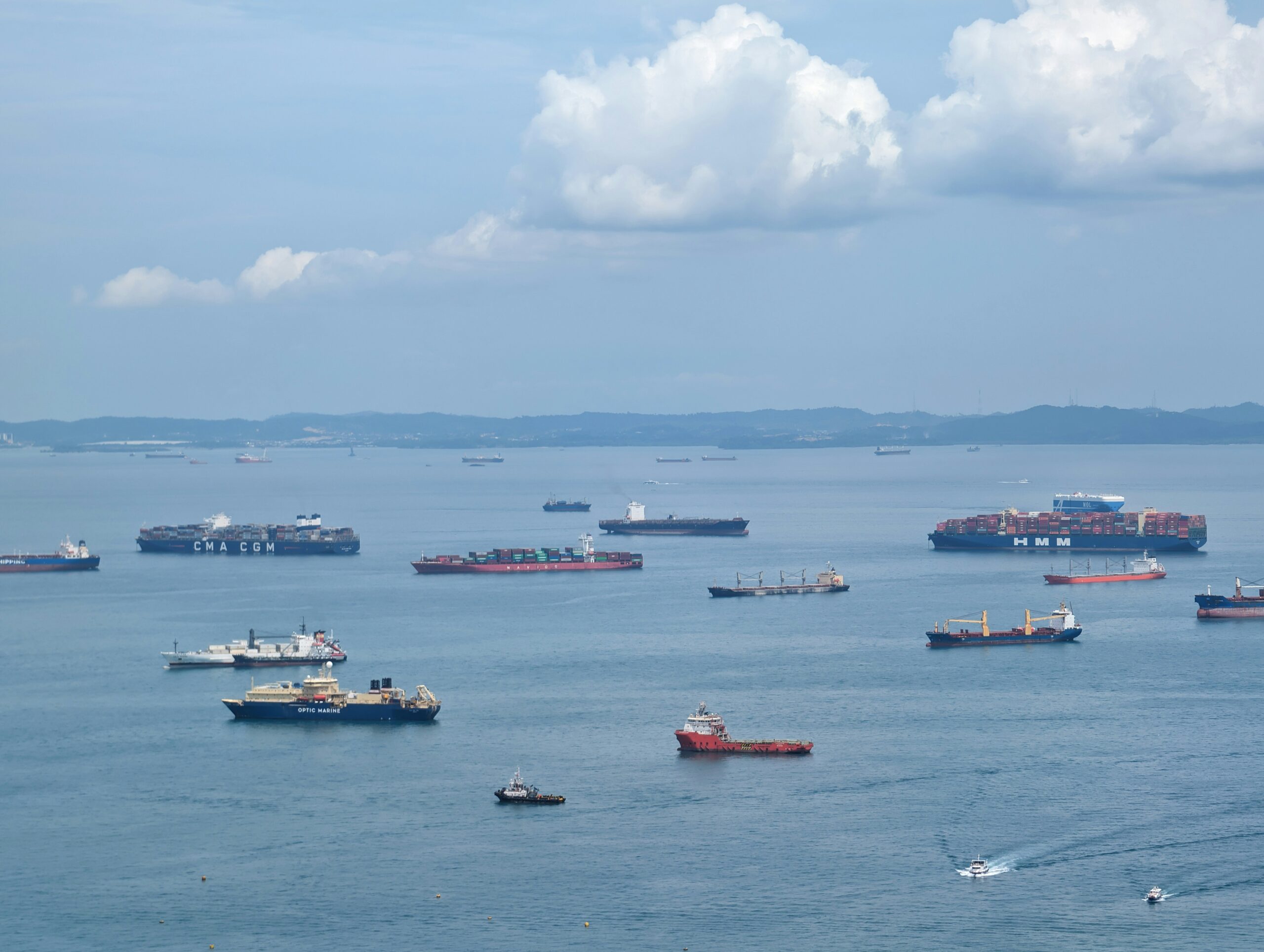
The issue was not with the ships themselves, but with their location. The vessels were operating in the Persian Gulf when traffic through the Strait of Hormuz became restricted. Once movement in this critical corridor slowed, ships were left with limited options. Unlike other routes, vessels in this region cannot easily divert or reroute. They are effectively forced to wait until conditions stabilize, creating a bottleneck that impacts both cargo and crew.
The Strait of Hormuz is strategically important. It is one of the narrowest yet most vital maritime passages in the world, responsible for transporting a significant portion of global energy supplies. When access is restricted, even temporarily, the consequences ripple across international shipping networks. Ships accumulate, schedules collapse, and onboard personnel are left in prolonged uncertainty. In this case, the Canadian trainees were not in immediate danger, but they were unable to proceed or exit independently, leaving them stranded for weeks.
Extracting them from the region was not a straightforward process. Their return required coordination beyond commercial shipping channels, involving Saudi authorities who helped facilitate their departure. From there, the trainees were routed through Europe before eventually arriving back in Canada. While the sequence appears simple in hindsight, such operations typically involve logistical complexity, shifting permissions, and careful timing, especially in geopolitically sensitive zones.
Although the individuals have now safely returned, the situation surrounding the vessels themselves remains unresolved. The ships have been delayed since late February, and movement through the region has not fully normalized. Adding another layer of complexity, the vessels were operating under a Barbados flag, a common practice in global shipping that often separates vessel registration from crew nationality and ownership. As a result, while Canadians were onboard, the broader operational context extended beyond Canadian jurisdiction.
Officials have indicated that no other Canadian-owned ships are currently facing similar delays, suggesting this is not a widespread national issue. However, dismissing it as isolated would be shortsighted. The incident illustrates how quickly localized disruptions can affect individuals and operations connected to global trade. Even minor restrictions in a critical chokepoint can cascade into extended delays with real human consequences.
There was no dramatic rescue or large-scale emergency in this case, but that is precisely what makes it significant. It highlights a structural reality of global shipping: stability in a handful of key locations is essential for maintaining flow. When one of those points becomes constrained, the system does not adapt instantly. It slows, and those within it are forced to wait.
For the trainees, the experience has ended with a safe return home. For the industry, it serves as a reminder that predictability at sea is conditional, not guaranteed. As long as regions like the Strait of Hormuz remain sensitive to geopolitical tension, similar situations are likely to occur again. They may not always make headlines, but for those directly affected, the impact is immediate and tangible.
We use the latest AI tools to create smarter, faster content, and we’re training the next generation of citizen journalists to do the same.