
Farmland Decline Raises Concerns
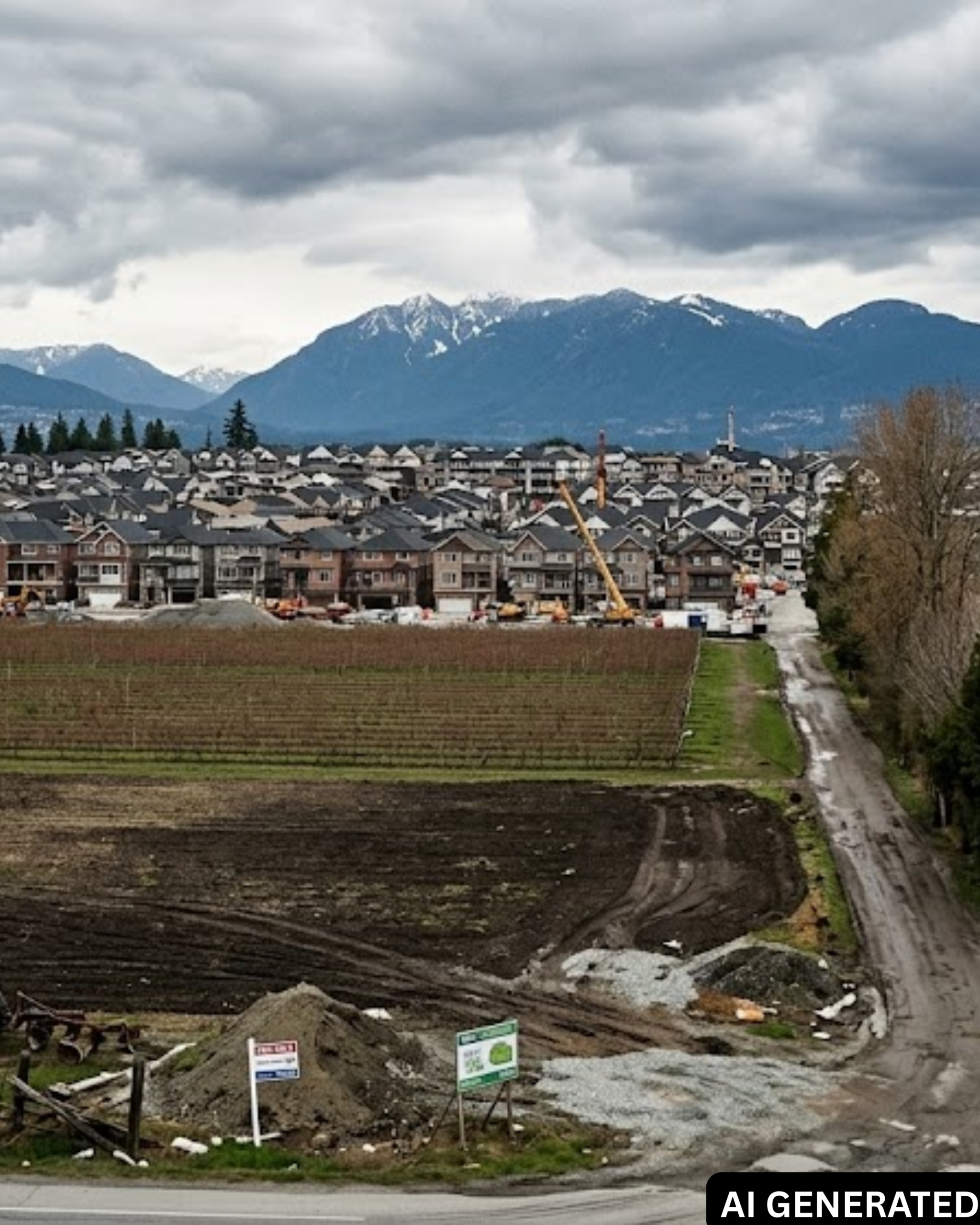
Farmland across Metro Vancouver has declined significantly over the past 25 years, according to a new regional report.
Data compiled from the 2021 Census of Agriculture shows the region’s total farm area has dropped by 13 per cent, or about 5,317 hectares, during that period. Notably, the steepest losses have occurred in the past five years.
At the same time, the number of farms has fallen by 39 per cent, while the number of farm operators has declined by the same amount. The trend points to growing pressures on the region’s agricultural sector.
Aging Farmers and Fewer Successors
Another concern highlighted in the report is the aging farming population.
The median age of farmers in the region continues to rise, and only 30 per cent of farms currently have succession plans in place. As a result, many farms could face uncertainty when current operators retire.
Officials say the data reflects the changing structure of agriculture in the region and signals the need for long-term planning to protect farmland and support new farmers.
Changes in Crops and Livestock
While overall farm numbers are shrinking, some agricultural sectors are growing.
The report shows an increase in fruit, nut and berry farms across the region. However, other types of farms — including those growing hay, field crops, vegetables, potatoes and mushrooms — have declined.
Livestock farms are also becoming less common, especially those raising sheep and horses.
These shifts reflect broader changes in agricultural markets and land use across the region.
Strong Earnings Despite Declines
Despite fewer farms, agricultural productivity remains strong.
In fact, Metro Vancouver leads the province in per-hectare farm receipts, reaching about $38,192, a 54 per cent increase since 2016.
However, only three municipalities — Burnaby, Delta and Surrey — recorded increases in agricultural profitability in 2021.
Experts say these figures show that while farming remains productive, the sector still faces structural challenges.
Delta Holding Onto Farmland
Although farmland has declined across the region, Delta has managed to retain more of its agricultural land than many neighbouring communities.
According to the Delta Agricultural Plan, the municipality currently has about 22,240 acres (9,000 hectares) within the Agricultural Land Reserve, representing roughly half of the city’s total land base.
About 75 per cent of that land is actively farmed, demonstrating the continued importance of agriculture in the community.
Infrastructure and Land Changes
Some farmland losses in Delta are linked to major infrastructure and land changes.
The construction of the South Fraser Perimeter Road and land transfers connected to the Tsawwassen First Nation treaty agreement in 2009 reduced the amount of land within the Agricultural Land Reserve.
Even so, studies show Delta has been relatively successful at preserving farmland compared with other municipalities in the region.
Farms in Delta Remain Stable
Farm sizes in Delta have remained relatively consistent over the past decade.
Census data shows that about half of the farms in the municipality range from 10 to 69 acres, indicating a stable structure in the local agricultural sector.
Still, regional planners say the broader decline in farmland and farm operators across Metro Vancouver highlights the need for continued efforts to protect agricultural land and ensure farming remains viable in the future.